Solution


Aerial Lift Overload Control

A manufacturing company for aerial lifts wants to test its self-propelled boom lift to ensure it can operate at heavy capacities when in use, and at different angles. They want to prevent any accidents in case of a lifting overload, for the safety of any working individual who uses it.
AerialLiftOverloadGraphic

Summary

  • Customer Need / Challenge

    A manufacturing company for aerial lifts wants to test its self-propelled boom lift to ensure it can operate at heavy capacities when in use, and at different angles. They want to prevent any accidents in case of a lifting overload, for the safety of any working individual who uses it.

  • Interface Solution

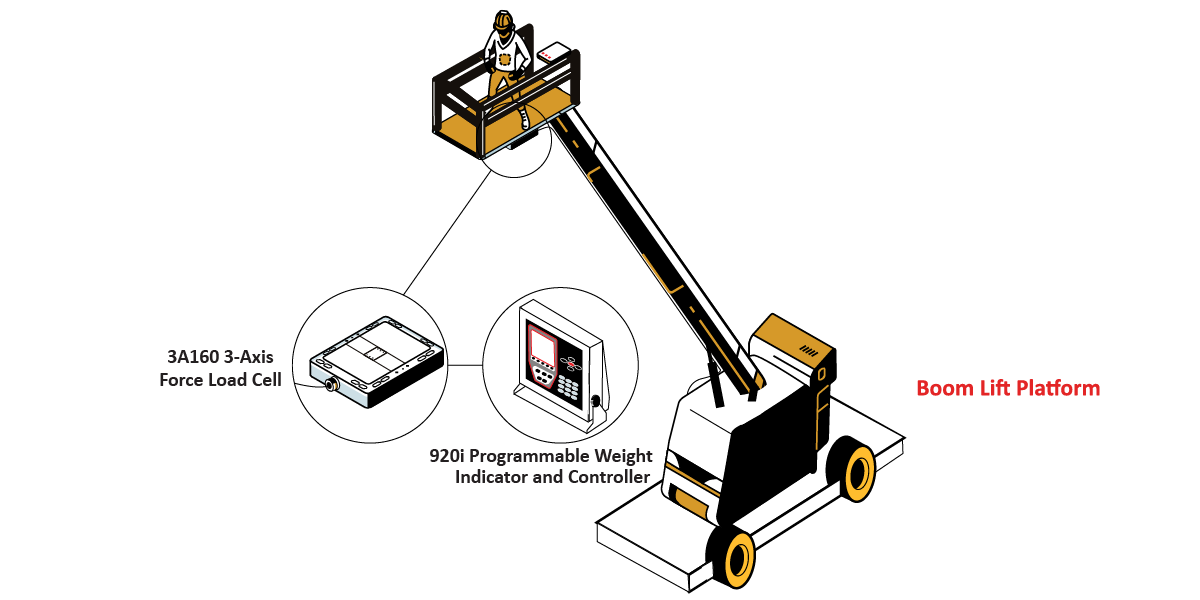
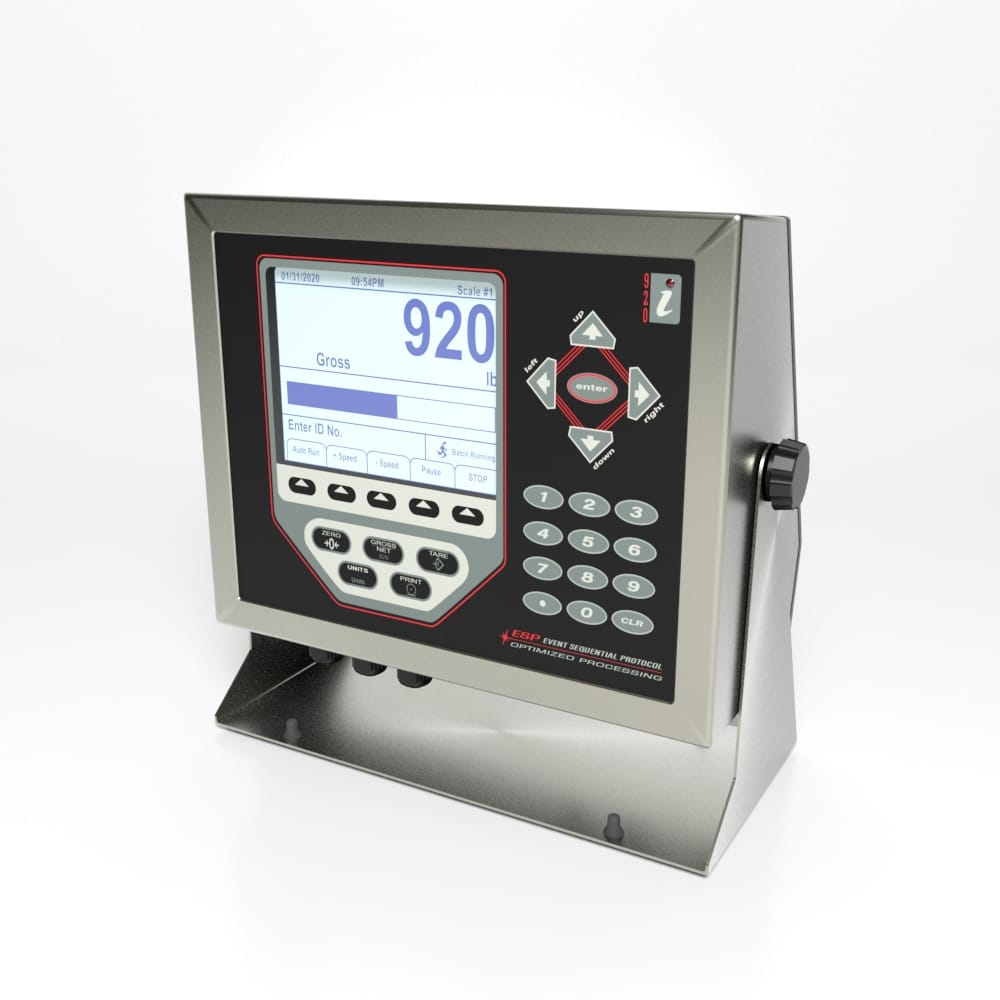
    Interface’s solution is to attach the 3A160 3-Axis Force Load Cell to the bottom of the bucket of the boom lift. The 3A160 3-Axis Force Load Cell gives high accuracy results, which can be displayed using the 920i Programmable Weight Indicator and Controller in real time.

  • Results

    The manufacturing company tested their aerial boom lifts and determined it was safely operable when maximum capacities has been reached.

Materials


  • 3A160 3-Axis Force Load Cell
  • 920i Programmable Weight Indicator and Controller

How it Works


  1. The 3A160 3-Axis Force Load Cell is installed where the lift’s arm ends at the bottom of the boom lift’s bucket.
  2. Different loads are added inside the boom lift’s bucket, at different angles. The 3A160 3-Axis Force Load Cell delivers high accuracy results at each capacity.
  3. Results are displayed for the customer using the 920i Programmable Weight Indicator and Controller, where the instrument will measure all three bridges.

Download PDF